🔥
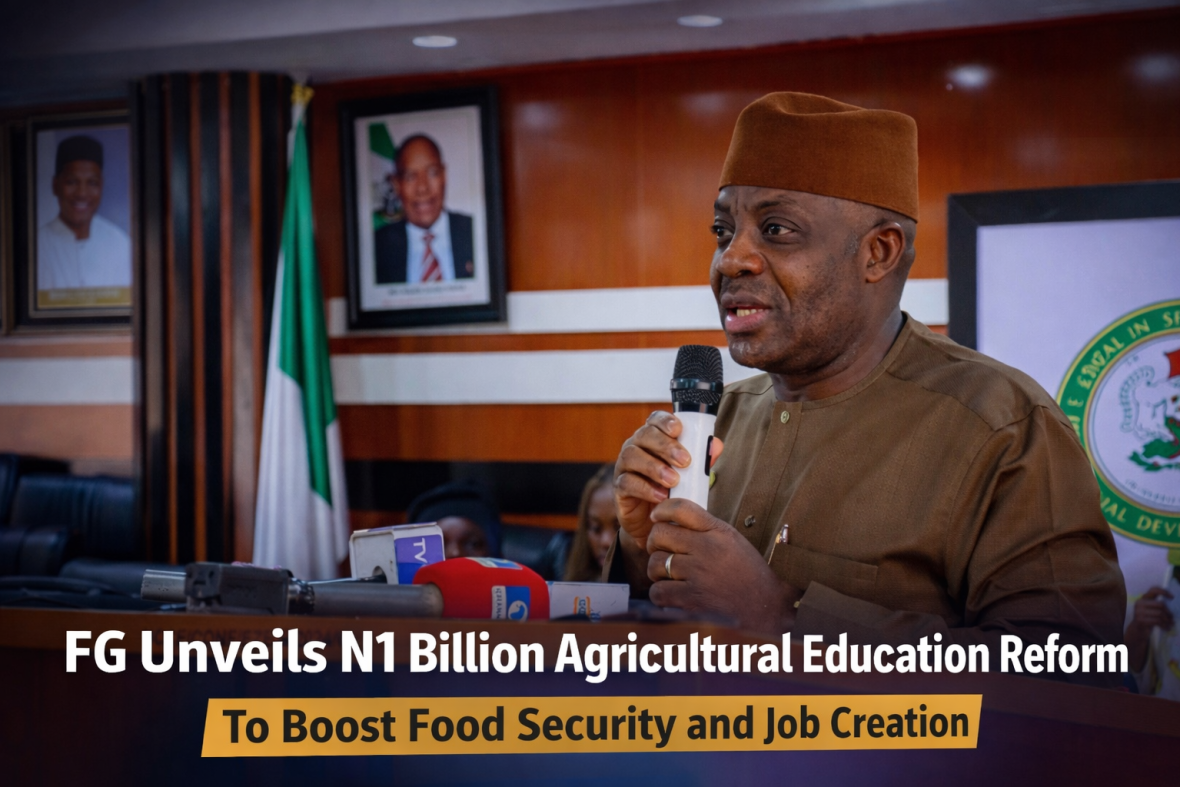
The Federal Government of Nigeria has announced a major ₦1 billion agricultural education reform, a move aimed at transforming how agriculture is taught and practiced across the country.
This initiative is expected to boost food security, create jobs, and equip young Nigerians with practical skills needed in today’s modern agricultural sector.
🌱 What the ₦1 Billion Reform Is All About
According to recent updates, the reform focuses on modernizing agricultural education in Nigerian tertiary institutions. Instead of the traditional theory-heavy system, students will now receive more hands-on, practical training.
Key highlights include:
- 60–70% of learning will be practical-based training
- Focus on modern farming techniques and agribusiness
- Integration of technology and innovation in agriculture
- Strong collaboration between education and agriculture ministries
This shift is designed to ensure graduates are not just degree holders, but job creators and skilled professionals in agriculture.
🚜 Why This Reform Matters Now
Nigeria has long struggled with:
- Low interest in agricultural courses
- Outdated teaching methods
- Rising food insecurity
- Youth unemployment
This reform directly addresses these challenges by making agriculture:
- More attractive to young people
- More practical and profitable
- More aligned with global best practices
Experts believe this could significantly increase food production and reduce dependence on imports.
💼 Job Creation & Economic Impact
One of the biggest goals of this initiative is employment generation.
By equipping students with real-world skills, the government aims to:
- Create thousands of new agribusiness entrepreneurs
- Reduce unemployment among graduates
- Strengthen Nigeria’s agricultural value chain
This aligns with broader efforts to position agriculture as a key driver of Nigeria’s economy.
📚 What Students and Youth Should Expect
If you’re a student or graduate, this reform means:
- More access to practical agricultural training
- Opportunities in agribusiness, livestock, crop production, and agri-tech
- Better chances of starting your own farm or agricultural business
In short, agriculture is no longer just a course — it’s becoming a serious income opportunity.
⚠️ Challenges the Reform Must Overcome
While the initiative is promising, a few challenges remain:
- Implementation across all institutions
- Funding transparency
- Access to modern equipment
- Security issues affecting farming
If these are properly handled, the reform could become a game-changer for Nigeria.
📢 Final Thoughts
The ₦1 billion agricultural education reform is a bold step toward transforming Nigeria’s food system and empowering its youth.
If properly implemented, it could:
- Improve food security
- Create sustainable jobs
- Turn agriculture into a top career choice in Nigeria